
Discover the fascinating world of Bacará, a captivating game of chance, where the element of luck known as 'sortenabet' plays a crucial role. Explore its origins, rules, and cultural impact, offering an elegant gaming experience for enthusiasts.
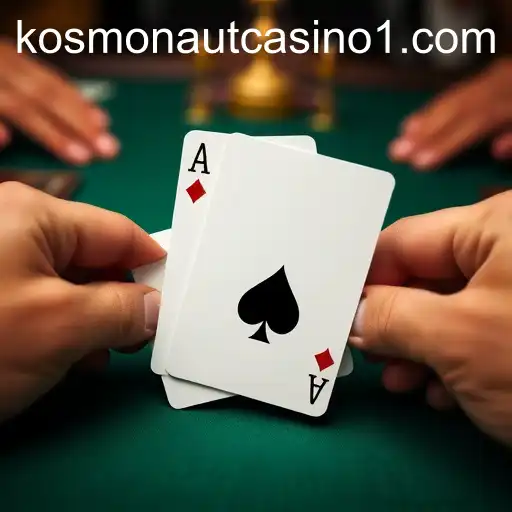
Bacará: The Intriguing Game of Chance and Strategy
Introduction to Bacará
Bacará, also known as Baccarat in English-speaking countries, is a casino card game with a rich history and an air of sophistication. Known for its simplicity and elegance, Bacará is often associated with high-stakes gambling and glamorous casino settings. Despite its portrayal in popular culture, the game is accessible to players of all backgrounds, offering both excitement and tension in equal measure. The term "sortenabet" refers to the element of luck inherent in the game, making it a captivating choice for those who revel in chance.
The Origins of Bacará
Tracing back to its origins, Bacará is believed to have been introduced in Italy during the 15th century. The game, originally called "Baccara", meaning zero in Italian, alludes to the fact that all face cards and tens have zero value. It soon spread to France, where it became popular among the French nobility. The game's charm and allure led to its widespread adoption in European casinos. The French variation, "Chemin de Fer", became a favored diversion among aristocrats and has since evolved into the version we recognize today.
The Rules of Bacará
One of the reasons Bacará has endured the test of time is its straightforward set of rules. The game is played between two hands: the "Player" and the "Banker". Each round can result in three possible outcomes: a player win, a banker win, or a tie. Players have the option to bet on either outcome or a tie before the cards are dealt.
In Bacará, the dealer uses six to eight decks of cards shuffled together. Each hand is dealt two cards, and the objective is to have a hand value closest to nine. Aces are worth one point, cards two through nine are worth their face values, and tens and face cards are worth zero. If a hand's value exceeds nine, only the second digit is considered. For example, a hand consisting of a seven and an eight would total 15, but its value in Bacará is five.
The Role of "Sortenabet" in Bacará
The element of "sortenabet", or luck, plays a crucial part in the game's appeal. Unlike many other casino games that require strategic decision-making or skill, Bacará is predominantly based on luck. Players have minimal influence over the outcome once bets are placed, making each round unpredictable and exciting. This unpredictability is central to the game's allure, drawing gamblers who enjoy the thrill of chance.
Strategies and Betting Systems
While Bacará is primarily a game of luck, several betting strategies attempt to capitalize on streaks and patterns. One common system is the Martingale strategy, where players double their bets after each loss, aiming to recoup all losses with a subsequent win. However, this strategy can be risky, as it requires substantial capital and may exceed table limits quickly.
Another approach is the Fibonacci sequence, which dictates bet sizes based on the Fibonacci number progression. Players increase bets following a loss according to this sequence, then reduce them after a win. The objective is to limit losses during losing streaks, while benefiting from winning streaks without risking large sums. Nonetheless, as Bacará is governed by chance, no strategy guarantees success.
Bacará Variations
Several variations of Bacará have emerged over time, each with unique rules and betting options. The most notable is "Punto Banco", prevalent in North American casinos. This version aligns closely with the traditional game, retaining the basic rules and structure. Conversely, "Chemin de Fer" offers more player interaction, allowing participants to take turns as the banker.
In "Mini Bacará", the format is streamlined for smaller groups and lower stakes, appealing to more casual players. The game follows similar rules but involves fewer decks and a faster pace, making it an attractive option for new players. Each variation retains the essence of Bacará, offering distinctive experiences while maintaining the core element of chance.
The Cultural Impact of Bacará
Bacará's cultural significance cannot be overstated, with its portrayal in films and literature adding to its mystique. The game has often been depicted as a favorite pastime of suave protagonists and high-rolling gamblers. Perhaps the most famous representation is in Ian Fleming's James Bond novels, where the titular character is known for his affinity for Bacará, particularly the "Chemin de Fer" variant.
This portrayal has further cemented Bacará's image as a game of status and sophistication, attracting enthusiasts who aspire to emulate their on-screen heroes. Despite its glamorous reputation, Bacará remains a game for all, offering a taste of luxury and risk to anyone willing to take a seat at the table.
Conclusion
In conclusion, Bacará occupies a unique niche within the world of casino games, balancing simplicity with elegance and chance. Its appeal lies in the absence of skill-intensive gameplay, inviting participants to entrust their fortunes to the whims of luck, or "sortenabet". Whether you're a seasoned gambler or a curious newcomer, Bacará offers an engaging and exhilarating experience, fostering a connection with a centuries-old tradition that continues to captivate audiences worldwide.